
Last Updated: April 09, 2023, 15:28 IST
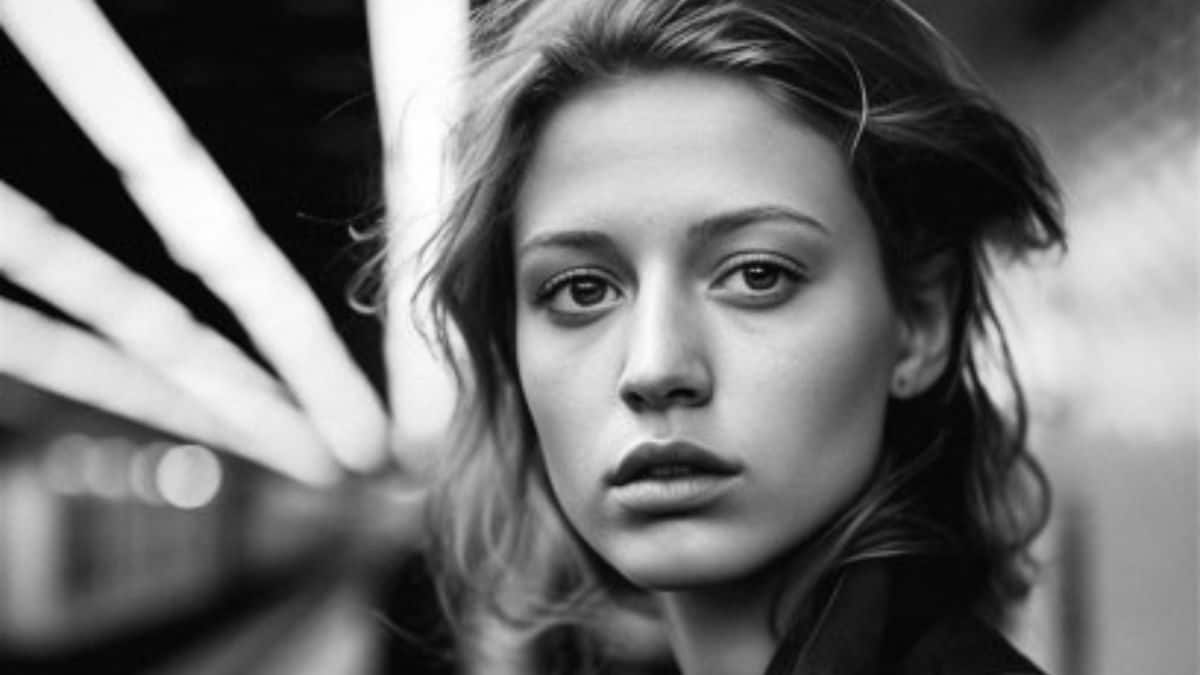
A handout photo obtained on April 7, 2023 from US amateur photographer Jos Avery shows an image generated by the AI program Midjourney. (AFP)
Midjourney and rivals like DALL-E 2 and Stable Diffusion generate unique pictures by mashing up a vast back catalogue of images they have been ‘trained’ on
Jos Avery was given a camera almost four decades ago, sparking a lifelong fascination with photography.
But last September he found a new creative outlet, one that led him to deceive thousands of people: the artificial intelligence program Midjourney, which generates wild and wonderful images from brief text instructions.
“Soon after starting with Midjourney, I became obsessed with the creative possibilities,” Avery told AFP.
Midjourney and rivals like DALL-E 2 and Stable Diffusion generate unique pictures by mashing up a vast back catalogue of images they have been “trained” on.
For Avery, a 48-year-old software engineer and lawyer by training from Virginia in the United States, Midjourney was liberating.
He said it allowed him to create beautiful art without needing to tackle his own social anxieties.
“Then I started to wonder if I could make AI images that could pass for photographs,” he said.
This led to his fateful experiment: He started an Instagram account to house his Midjourney output, without being entirely upfront about the origins of the images.
‘Misleading’
“At the beginning, I don’t think many people thought the images were photographs,” he said. “The eyes and skin were unrealistic.”
He fixed these glitches with a dose of Adobe Photoshop, eventually populating his Instagram feed with stunning and stark portraits of beautiful — but unreal — people.
More users flocked to his feed, and more of them began to think the images were genuine.
“People would ask in the comments about my camera and lens equipment,” he said.
“I’d respond with the equipment I actually use for real photos or equipment I had included as part of the prompt.”
He admits his answers were “misleading” since they suggested he had used his gear to create those specific images.
Yet he just got deeper into the deception, spending hours choosing and editing images to boost the realism and deleting earlier efforts that were more obviously AI-generated.
His follower count was rising rapidly, so the experiment was a success.
But he was struggling to maintain the facade.
Losing sleep
“It grew far beyond my expectations,” Avery said.
“The followers and my misleading answers made me feel uneasy, and I had trouble sleeping at night.”
He eventually told the specialist website Ars Technica what he had done, added a mention of AI to his Instagram biography and started to give honest answers to his followers.
“I’ve slept a lot better since then,” he said.
Although he did get some abuse — “I had to block about 30 people” — he said the reaction overall was positive, and his Instagram account, now with almost 40,000 followers, is still growing.
These days he populates it with both real photography and clearly labelled images generated from Midjourney.
He said the AI tool has been hugely beneficial, helping him discover a love for portrait photography.
But the downside is that once again he isn’t sleeping so well — he stays up all night creating images on Midjourney.
Read all the Latest News here
(This story has not been edited by News18 staff and is published from a syndicated news agency feed)
